




10 Types of Millets And their Benefits Explained

Types of Millets: Millets have sustained civilisations for over 7,000 years. In 2026, they are experiencing a powerful global resurgence, driven by growing awareness of lifestyle diseases, rising demand for gluten-free foods, and the need for climate-resilient crops. The United Nations designated 2023 the International Year of Millets, placing these ancient grains firmly at the centre of the world's food and health conversation.
India leads global millet production, contributing approximately 41% of worldwide output according to the Indian Institute of Millets Research (IIMR). Today, millets are no longer just affordable rural staples. They are scientifically validated functional foods with measurable benefits for diabetes, heart health, bone density, and weight management.
This guide covers all 10 types of millets in India, their complete nutritional profiles, glycemic index values, regional names across Indian languages, health benefits supported by research, and practical advice on how to choose and cook them.
What are Millets?
Millets are small-seeded, gluten-free cereal grains grouped into three categories: major millets (Sorghum/Jowar, Pearl Millet/Bajra, Finger Millet/Ragi), minor millets (Foxtail, Barnyard, Little, Kodo, Proso, Browntop), and pseudo-millets (Amaranth, Buckwheat). All millets are naturally gluten-free, rich in fibre and essential minerals, and have a lower glycemic index than white rice. Minor millets such as Foxtail and Barnyard are particularly effective for stable blood sugar management.
Millets are small-seeded grasses from the Poaceae family, cultivated as cereal crops for both human consumption and animal feed. They thrive in semi-arid conditions, requiring up to 70% less water than wheat and rice, making them among the most environmentally sustainable grains on Earth.
Every millet variety shares these core properties:
- Naturally gluten-free, safe for people with celiac disease and gluten intolerance
- Lower glycemic index than white rice and refined wheat
- Rich in dietary fiber, plant-based protein, and minerals, including calcium, iron, and magnesium
- Free from the allergens that trigger wheat-related reactions
- Grown with minimal pesticide use in most traditional farming systems
According to the Food and Agriculture Organization (FAO) of the United Nations, millets are cultivated in over 130 countries and consumed daily by approximately 600 million people, particularly across South Asia and Sub-Saharan Africa.
How Are Millets Classified?
Millets fall into three broad categories based on their botanical characteristics and scale of cultivation.
1. Major Millets
Major Millets are the most widely grown and commercially cultivated. Sorghum (Jowar), Pearl Millet (Bajra), and Finger Millet (Ragi) belong to this group. They account for the bulk of India's millet production and are staple ingredients in mainstream Indian cooking.
2. Minor Millets
Minor Millets are cultivated on a smaller scale but frequently carry superior nutritional profiles. Foxtail, Barnyard, Little, Kodo, Proso, and Browntop millets make up this group. These are sometimes called "positive millets" or Siridhanya millets in South India, a term popularised by Dr. Khadar Vali to describe their strong therapeutic properties, particularly their ability to stabilise blood sugar.
3. Pseudo-Millets
Pseudo-Millets are not true grasses but share similar nutritional properties and uses. Amaranth (Rajgira) and Buckwheat (Kuttu) are the most prominent pseudo-millets consumed in India.
What are the 10 types of Millets in India?
- Pearl Millet (Bajra)
- Sorghum Millet (Jowar)
- Proso Millet (Cheena / Panivaragu)
- Finger Millet (Ragi)
- Foxtail Millet (Kangni / Thinai)
- BrownTop Millet (Korale)
- Barnyard Millet (Kuthiraivali / Sanwa)
- Little Millet (Kutki / Samai)
- Kodo Millet (Varagu / Kodra)
- Amaranth Millet (Rajgira)
List of Different Types of Millets
1. Sorghum Millet (Jowar): The Gluten-Free Roti Grain

Sorghum Millet, known as Jowar in Hindi, Cholam in Tamil, and Jola in Kannada, is one of the five most produced cereal crops in the world according to USDA data. It has been cultivated in India for thousands of years and remains a staple across Maharashtra, Karnataka, and Andhra Pradesh.
What makes Jowar Millet stand out:
- Contains policosanols, natural plant compounds that research associates with reduced LDL (bad) cholesterol levels
- Rich in tannins and phenolic compounds that deliver strong antioxidant protection
- High fiber content (6–7 g per 100g) supports healthy digestion and regular bowel movements
- Excellent flour for gluten-free rotis, bhakri, and flatbreads with a texture close to wheat rotis
Important for thyroid patients: Jowar contains goitrogens, compounds that can reduce thyroid hormone production in large quantities. People with hypothyroidism should limit consumption and always eat it cooked, as heat significantly reduces goitrogenic activity.
Sorghum Millet Nutritional Profile (per 100g):
| Nutrient | Amount |
|---|---|
| Protein | 10–11 g |
| Fiber | 6–7 g |
| Iron | 4.4 mg |
| Calcium | 28 mg |
| Magnesium | ~165 mg |
| Glycemic Index | ~70 |
Read More: Sorghum Millet: Benefits, Nutrition, Uses and More
2. Proso Millet (Cheena / Panivaragu): The Protein-Dense Choice

Proso Millet reaches harvest in as little as 60 days, making it one of the fastest-maturing grains in the world. Known as Panivaragu in Tamil, Cheena or Barri in Hindi, and Baragu in Kannada, it is valued primarily for its outstanding protein content and favourable amino acid profile.
Proso Millet contains high levels of lecithin, a compound that supports neural health and helps maintain healthy liver function. Its amino acid balance closely resembles that of eggs, making it a notable plant-based protein source.
Proso Millet Health Benefits:
- High protein content (12 g per 100g) with a balanced essential amino acid profile
- Rich in B-complex vitamins including niacin (B3), supporting energy and nerve function
- Contains lecithin, which supports brain health and liver function
- Low environmental footprint: requires significantly less water than rice, corn, or wheat
Proso Millet Nutritional Profile (per 100g):
| Nutrient | Amount |
|---|---|
| Protein | 12 g |
| Fiber | 7–8 g |
| Iron | 3 mg |
| Calcium | 14 mg |
| Magnesium | 114 mg |
Read More: Proso Millet: Benefits, Nutrition, Uses and More
3. Pearl Millet (Bajra): The Iron Champion

Pearl Millet, called Bajra in Hindi, Kambu in Tamil, Sajje in Kannada, Sajjalu in Telugu, and Kambam in Malayalam, is India's most widely grown millet. It is cultivated extensively across Rajasthan, Gujarat, and Haryana, and is prized for its extraordinary iron content.
Pearl Millet contains approximately 8 milligrams of iron per 100 grams, significantly higher than wheat (3.5 mg) and rice (0.7 mg). This makes it one of the most powerful dietary tools against iron-deficiency anaemia, which affects an estimated 50% of women of reproductive age in India, according to the National Family Health Survey (NFHS-5, 2021).
Health Benefits Of Pearl Millet:
- Fights anaemia through its exceptional iron content
- Acts as a natural body coolant, making it ideal as a summer porridge or buttermilk drink
- Supports lactating mothers by helping stimulate breast milk production
- Regulates blood sugar through high protein and fiber content
- Promotes heart health by reducing bad cholesterol
Pearl Millet Nutritional Profile (per 100g):
| Nutrient | Amount |
|---|---|
| Protein | 11–12 g |
| Fiber | 11–12 g |
| Iron | 8–10 mg |
| Calcium | 40–50 mg |
| Magnesium | 137 mg |
| Glycemic Index | 54–68 |
Read More: Pearl Millet: Benefits, Nutritions, Uses and More
4. Finger Millet (Ragi): The Calcium Powerhouse

Finger Millet, universally known as Ragi across South India and Nachani or Mandua in northern states, is the undisputed calcium leader among all cereal grains. With 344 mg of calcium per 100 grams, it contains more calcium than most dairy products on a per-gram basis.
A 2019 study published in the Journal of Food Science and Technology confirmed that regular finger millet consumption significantly improves bone mineral density, especially in postmenopausal women and growing children.
Finger Millet is best for:
- Bone health: Its calcium content helps prevent osteoporosis and maintains bone density throughout life
- Babies and toddlers: Ragi porridge (ragi malt) is a traditional first weaning food across South India, delivering calcium, iron, and essential amino acids in a highly digestible form
- Diabetes management: Its moderate glycemic index (GI ~65) and high fiber content slow glucose absorption and prevent blood sugar spikes
- Anaemia recovery: Rich in iron and amino acids, it supports haemoglobin rebuilding
- Weight management: High fiber content promotes satiety and reduces unnecessary snacking
According to the Indian Council of Medical Research (ICMR), women who consume ragi regularly have a 30% lower risk of bone weakness after menopause compared to those who do not.
Finger Millet Nutritional Profile (per 100g):
| Nutrient | Amount |
|---|---|
| Protein | 7–8 g |
| Fiber | 11–12 g |
| Iron | 3.9 mg |
| Calcium | 344 mg |
| Magnesium | 137 mg |
| Glycemic Index | ~65 |
Read More: Finger Millet: Benefits, Nutrition, Uses and More
5. Foxtail Millet (Kangni / Thinai): The Blood Sugar Controller

Foxtail Millet is one of the oldest domesticated food crops on Earth, with cultivation records from China dating back over 8,000 years. Known as Thinai in Tamil, Kangni in Hindi, Navane in Kannada, Korra in Telugu, and Thina in Malayalam, it ranks as one of the most protein-rich millets available.
A 2018 clinical study from the National Institute of Nutrition (NIN), Hyderabad, found that replacing white rice with foxtail millet in the diets of Type 2 diabetic patients produced a significant reduction in fasting blood glucose after 12 weeks of consistent consumption.
Health Benefits of Foxtail Millet:
- Glycemic index of approximately 54, making it one of the best grains for Type 2 diabetes management
- High in dietary fiber (8 g per 100g), actively reducing LDL cholesterol levels
- Rich in copper and iron, boosting immunity and red blood cell formation
- Provides sustained energy without the blood sugar crash that comes with refined grains
- Rich in Vitamin B12, supporting nerve function and energy metabolism
Foxtail Millet Nutritional Profile (per 100g):
| Nutrient | Amount |
|---|---|
| Protein | 10–11 g |
| Fiber | 8–9 g |
| Iron | 2.8 mg |
| Calcium | 31 mg |
| Magnesium | 81 mg |
| Glycemic Index | ~54 |
Read More: Foxtail Millet: Benefits, Nutrition, Uses and More
6. Browntop Millet (Korale): The Rarest Siridhanya Grain

Browntop Millet is the least commercially visible but one of the most nutritionally potent millets available. Known as Korale in Kannada, Hari Kangni in Hindi, Andakorra in Telugu, and Kari Thina in Malayalam, it has gained significant attention through Dr. Khadar Vali's research on Siridhanya (positive) millets.
Research from the University of Agricultural Sciences, Bangalore, highlights Browntop Millet's potential in managing obesity, Type 2 diabetes, and digestive disorders. It has an exceptionally high fiber content (12.5 g per 100g) and a strong B-vitamin complex profile including thiamine, niacin, and riboflavin.
Health Benefits of Browntop Millet:
- Low glycemic index supports blood sugar stability
- Very high fiber acts as a natural intestinal cleanser, supporting gut health
- Rich in magnesium and potassium, beneficial for heart health and blood pressure regulation
- Skin health support through its B-vitamin and mineral profile
Browntop Millet Nutritional Profile (per 100g):
| Nutrient | Amount |
|---|---|
| Protein | 9–10 g |
| Fiber | 12.5 g |
| Iron | 5 mg |
| Calcium | 34 mg |
| Magnesium | 133 mg |
Read More: Brown Top Millet: Benefits, Nutrition, Uses and More
7. Barnyard Millet (Kuthiraivali / Sanwa): The Fasting Grain and Diabetes Ally

Barnyard Millet reaches harvest in as little as 45 days, making it one of the fastest-growing millets in the world. Known as Kuthiraivali in Tamil, Jhangora in Hindi, Oodalu in Kannada, Odalu in Telugu, and Kavadapullu in Malayalam, it holds the distinction of having the lowest glycemic index (approximately 43) among all millets.
Barnyard Millet contains 6 times more fiber than wheat, with approximately 9–10 grams of fiber per 100 grams. This extraordinary fiber content makes it the leading millet choice for weight loss and digestive health.
Barnyard Millet Health Benefits:
- Lowest GI (~43) of all millets: minimal impact on blood sugar, ideal for diabetes and insulin resistance
- Very high iron content combats anaemia effectively
- Rich in antioxidants that protect cells from oxidative damage
- Highly digestible and gentle on the gut
- Widely consumed during religious fasting (Navratri, Ekadashi) as a nutritious rice substitute
Barnyard Millet Nutritional Profile (per 100g):
| Nutrient | Amount |
|---|---|
| Protein | 6–7 g |
| Fiber | 9–10 g |
| Iron | 2.8–5 mg |
| Calcium | 20 mg |
| Phosphorus | 280 mg |
| Glycemic Index | ~43 |
Read More: Barnyard Millet: Benefits, Nutrition, Uses and More
8. Little Millet (Kutki / Samai): The Everyday Workhorse

Little Millet lives up to its name in size alone. Its nutritional density is anything but small. Called Samai or Saamai in Tamil, Kutki in Hindi, Saame in Kannada, Sama in Telugu, and Chama in Malayalam, it is packed with magnesium, potassium, zinc, and B vitamins.
With only 207 calories per 100 grams and 7.6 grams of fiber, Little Millet is among the most weight-loss-friendly grains available. It keeps you full for extended periods without loading excess calories.
Little Millet Health Benefits:
- Low in calories and high in fiber: ideal for weight management
- Excellent for blood sugar regulation due to its low glycemic index
- Prevents constipation and supports a healthy gut microbiome
- Rich in essential fatty acids and copper
- Supports heart health through its mineral-rich profile
Little Millet Nutritional Profile (per 100g):
| Nutrient | Amount |
|---|---|
| Protein | 7.7 g |
| Fiber | 7.6 g |
| Iron | 9.3 mg |
| Calcium | 17 mg |
| Zinc | 3.7 mg |
| Glycemic Index | ~54 |
Read More: Little Millet: Benefits, Nutrition, Uses and More
9. Kodo Millet (Varagu / Kodra): The Digestion Specialist

Kodo Millet thrives in harsh, drought-prone conditions where other crops fail. Known as Varagu in Tamil, Harka in Kannada, Kodra in Hindi, and Arikelu in Telugu, it is a low-calorie, high-protein grain with a strong polyphenol profile.
Kodo Millet is particularly rich in phytates and polyphenols, plant compounds that function as powerful antioxidants. Research published in the journal Food Chemistry links its phytate content to a reduced risk of certain hormone-related cancers.
Kodo Millet Health Benefits:
- Low in calories (approximately 309 kcal per 100g) while high in protein (8–9 g), supporting fat loss while preserving muscle
- Polyphenols provide antioxidant and anti-inflammatory protection
- Traditional use associates it with relief from knee and joint pain
- Safe and effective for blood sugar management due to its low GI (~52)
- Contains Vitamin B3 (niacin) that supports energy metabolism and skin health
Kodo Millet Nutritional Profile (per 100g):
| Nutrient | Amount |
|---|---|
| Protein | 8–9 g |
| Fiber | 9 g |
| Iron | 2.7 mg |
| Calcium | 35 mg |
| Vitamin B3 | 2 mg |
| Glycemic Index | ~52 |
Read More: Kodo Millet: Benefits, Nutrition, Uses and More
10. Amaranth (Rajgira): The Complete Protein Pseudo-Millet

Amaranth Millet, known as Rajgira in most of India, is not a true millet but is grouped with millets because of its similar gluten-free profile and nutritional composition. It is one of the very few plant foods that provides all nine essential amino acids, making it a complete protein source on par with animal foods.
Amaranth is extremely popular during Hindu fasting periods (vrat), when it forms the base of chapatis, ladoos, and porridge. Its mild, slightly nutty flavour makes it easy to incorporate into both sweet and savoury dishes.
A compound called squalene found in amaranth has demonstrated anti-inflammatory properties in multiple published studies, adding to its appeal as a functional food.
Amaranth Millet Health Benefits:
- Complete protein source: all nine essential amino acids present
- High calcium content (150–160 mg per 100g) supports bone health
- Rich in iron (7–8 mg per 100g), combating anaemia
- Anti-inflammatory through squalene and other phenolic compounds
- Tryptophan content supports serotonin production, benefiting mood and sleep
Amaranth Millet Nutritional Profile (per 100g):
| Nutrient | Amount |
|---|---|
| Protein | 14–16 g |
| Fiber | 7 g |
| Iron | 9 mg |
| Calcium | 159 mg |
| Magnesium | 248 mg |
What Are Siridhanya Millets? (Positive Millets Explained)
Siridhanya is a Kannada term meaning "positive grains." Nutritionist and researcher Dr. Khadar Vali popularised the term to describe five specific minor millets recognised for their exceptional therapeutic properties: Foxtail (Navane), Browntop (Korale), Little (Saame), Kodo (Harka), and Barnyard (Oodalu).
These five millets are characterised by their very low glycemic indexes, high antioxidant content, and strong anti-inflammatory profiles. Dr. Vali's protocols recommend rotating these five millets as primary staples for people managing chronic lifestyle diseases, particularly Type 2 diabetes, obesity, and digestive disorders.
In Tamil Nadu, these grains are collectively called Siruthaniyam (சிறுதானியம்), meaning "small grains with big benefits."
Nutritional Comparison: All 10 Types Of Millets
| Millet | Protein (g) | Fibre (g) | Iron (mg) | Calcium (mg) | GI | Best For |
|---|---|---|---|---|---|---|
| Pearl Millet | 11–12 | 11–12 | 8–10 | 40–50 | 54–68 | Anaemia, winter warmth |
| Sorghum | 10–11 | 6–7 | 4.4 | 28 | ~70 | Antioxidants, gluten-free rotis |
| Finger Millet | 7–8 | 11–12 | 3.9 | 344 | ~65 | Bone health, babies |
| Foxtail Millet | 10–11 | 8–9 | 2.8 | 31 | ~54 | Diabetes, cholesterol |
| Browntop Millet | 9–10 | 12.5 | 5 | 34 | Low | Gut health, blood pressure |
| Barnyard Millet | 6–7 | 9–10 | 2.8–5 | 20 | ~43 | Diabetes, weight loss, fasting |
| Little Millet | 7–8 | 7–8 | 9.3 | 17 | ~54 | Weight management, energy |
| Kodo Millet | 8–9 | 9 | 2.7 | 35 | ~52 | Digestion, joint health |
| Proso Millet | 12 | 7–8 | 3 | 14 | Medium | Protein, brain health |
| Amaranth | 14–16 | 7 | 9 | 159 | Medium | Complete protein, fasting |
Glycemic Index Comparison: Which Millet Is Best for Blood Sugar?
| Millet | Glycemic Index | Category | Best For |
|---|---|---|---|
| Barnyard (Kuthiraivali) | ~43 | Low | Diabetes, weight loss, fasting |
| Kodo (Varagu) | ~52 | Low | Digestion, joint health, weight loss |
| Foxtail (Thinai) | ~54 | Low | Cholesterol control, blood sugar |
| Little (Samai) | ~54 | Low | Sustained energy, weight management |
| Pearl Millet (Bajra) | 54–68 | Low to Medium | Anaemia, winter nutrition |
| Finger Millet (Ragi) | ~65 | Medium | Bone health, babies, diabetes |
| Sorghum (Jowar) | ~70 | Medium-High | Gluten-free rotis, antioxidants |
Complete Millet Names in Indian Languages
| Millet | Hindi | Tamil | Telugu | Kannada | Malayalam | Marathi | Bengali | Gujarati | Punjabi |
|---|---|---|---|---|---|---|---|---|---|
| Pearl Millet | Bajra | Kambu | Sajjalu | Sajje | Kambam | Bajri | Bajra | Bajri | Bajra |
| Sorghum | Jowar | Cholam | Jonnalu | Jola | Cholam | Jwari | Jowar | Juwar | Jowar |
| Finger Millet | Nachni / Mandua | Kezhvaragu | Ragulu | Ragi | Muttari | Nachni | Marua | Bavto | Mandal |
| Foxtail Millet | Kangni / Rala | Thinai | Korra | Navane | Thina | Kang / Rala | Kaon | Kang | Kangni |
| Browntop Millet | Hari Kangni | Puluvaragu | Andakorra | Korale | Kari Thina | Bavto | Shyama | Banti | — |
| Barnyard Millet | Jhangora / Sanwa | Kuthiraivali | Odalu | Oodalu | Kavadapullu | Bhagar | Shyama | Samo | Swank |
| Little Millet | Kutki | Samai | Sama | Saame | Chama | Shama | Sama | Gajro | Kutki |
| Kodo Millet | Kodra / Kodon | Varagu | Arikelu | Harka | Varaku | Kodra | Kodo | Kodra | Kodra |
| Proso Millet | Barri / Cheena | Panivaragu | Variga | Baragu | Panichamay | Vari | Cheena | Cheno | Cheena |
| Amaranth | Rajgira / Ramdana | Tandakeerai vidhai | Thotakura Ginja | Rajgiri dana | Cheera | Rajgira | Marsa | Rajgaro | Chaulai |
Health Benefits of Millets
According to some research, there are a heap of millet benefits to the human body. Let's discuss a few of the benefits of millets.
1. Helpful in Controlling Diabetes
The complex carbohydrates and high fiber in millets slow glucose absorption, preventing the sharp blood sugar spikes that follow refined grain meals. A 2021 systematic review in Frontiers in Nutrition, analysing 19 clinical trials, found that replacing refined grains with millets reduced fasting blood glucose by an average of 12% and HbA1c by 0.5% in Type 2 diabetic patients. These are clinically meaningful results.
Best millets for diabetes: Barnyard (GI ~43), Kodo (GI ~52), Foxtail (GI ~54).
2. Protect Heart Health
Millets are rich in magnesium and potassium, two minerals that help regulate blood pressure and support healthy cardiac function. Their fiber and antioxidants actively reduce LDL cholesterol while preserving HDL (good) cholesterol levels.
A clinical trial in Hyderabad found that people who consumed pearl millet daily for three months experienced an 8.5% reduction in LDL cholesterol and a 9.7% reduction in triglycerides.
Best millets for heart health: Pearl Millet, Ragi, Foxtail Millet.
3. Support Healthy Weight Management
Millets are low in calories, high in fiber and protein, and produce a strong feeling of fullness after eating. A study by the National Institute of Nutrition found that people on a ragi-based diet reduced their daily calorie intake by 10–15% without feeling hungry.
Best millets for weight loss: Little Millet, Barnyard Millet, Kodo Millet.
4. Improve Digestive Health
The soluble and insoluble fiber in millets supports healthy bowel movements, feeds beneficial gut bacteria, and reduces symptoms of constipation and IBS. A study in the Indian Journal of Gastroenterology found that pearl millet contains prebiotic fiber that significantly promotes the growth of beneficial intestinal bacteria.
Best millets for digestion: Barnyard Millet, Sorghum, Little Millet.
5. Boost Immunity
Millets contain vitamin E, B-complex vitamins, zinc, and selenium, all of which play essential roles in supporting immune function. Polyphenols found in Pearl Millet and Ragi have been shown to increase the activity of immune cells. Phytochemicals in Foxtail Millet and Sorghum enhance the body's anti-inflammatory capacity, helping it respond more effectively to infections and environmental stressors.
Best millets for immune support: Ragi, Pearl Millet, and Foxtail Millet.
6. Strengthen Bones and Teeth
Finger Millet (Ragi) provides 344 mg of calcium per 100 grams, higher than most dairy sources on a weight-for-weight basis. Regular ragi consumption is associated with a 30% lower risk of postmenopausal bone weakness, according to ICMR research.
Best millets for bone health: Finger Millet (Ragi), Pearl Millet, Amaranth.
7. Prevent Iron-Deficiency Anaemia
Millets are rich in iron, with Pearl Millet (8–10 mg/100g), Little Millet (9.3 mg/100g), and Amaranth (9 mg/100g) leading the pack. Iron from millets is better absorbed when consumed alongside vitamin C-rich foods such as lemon, amla, or tomatoes.
Best millets for anaemia: Pearl Millet, Little Millet, Amaranth.
8. Anti-Inflammatory Properties
Chronic inflammation is a root cause of many modern diseases, including heart disease, arthritis, and certain cancers. Antioxidants and phytochemicals in millets work at a cellular level to reduce inflammatory markers in the body. Phenolic compounds such as ferulic acid and sinapic acid, found abundantly in Sorghum and Pearl Millet, are particularly well-studied for their anti-inflammatory effects. Squalene, a compound found in Amaranth, has also demonstrated strong anti-inflammatory activity across multiple published studies.
Best millets for anti-inflammatory benefits: Amaranth, Pearl Millet, and Sorghum.
9. Support Skin and Hair Health
Protein, vitamin E, and antioxidants in millets contribute to healthier skin and stronger hair. Vitamin E found in Ragi and Pearl Millet helps retain skin moisture and delays the appearance of premature wrinkles. Silicon compounds in Foxtail Millet are linked to improved hair tensile strength and natural shine. The B-vitamin complex profile across most millets supports healthy skin cell turnover and reduces oxidative damage caused by environmental stressors.
Best millets for skin and hair health: Foxtail Millet, Ragi, and Pearl Millet.
10. Improve Mood and Mental Wellbeing
Millets contain tryptophan, an amino acid the body uses to produce serotonin, the neurotransmitter that regulates mood, sleep, and appetite. Magnesium and B-complex vitamins in millets further reduce stress and anxiety. Amaranth is particularly rich in tryptophan, with several studies linking it to reduced depressive symptoms.
Best millets for mental wellness: Amaranth, Ragi, Pearl Millet.
Which Millet Should You Choose? A Practical Decision Guide
- For diabetes or blood sugar control: Start with Barnyard Millet (lowest GI at ~43), then rotate with Kodo and Foxtail.
- For bone health and children: Finger Millet (Ragi) is the clear choice. Use it as ragi malt, ragi dosa, or ragi mudde.
- For weight loss: Little Millet or Barnyard Millet. Both are low-calorie, high-fiber, and highly satiating.
- For anaemia: Pearl Millet or Little Millet offer the highest iron content.
- For digestive health: Barnyard Millet or Sorghum, introduced gradually with adequate water intake.
- For plant-based protein: Proso Millet or Amaranth provide the highest protein density and the most complete amino acid profiles.
- During fasting (vrat): Barnyard Millet (Kuthiraivali / Sanwa) and Amaranth (Rajgira) are the traditional and nutritionally appropriate choices.
- For summer: Pearl Millet as a cooling porridge. For winter: Sorghum or Bajra rotis to generate internal warmth.
Who Should Be Careful with Millets?
Millets are safe for most people, but specific groups should approach them with some caution.
Thyroid patients: Pearl Millet and Sorghum contain goitrogens that can suppress thyroid hormone production in large amounts. People with hypothyroidism should limit millet consumption to 3–4 meals per week and always eat millets cooked, as heat reduces goitrogenic activity significantly.
People with IBS or sensitive digestion: The high fiber content in millets can cause bloating and gas if introduced too quickly. Start with small portions and increase gradually over two to three weeks.
People prone to kidney stones: Millets contain oxalates, which can contribute to kidney stone formation in susceptible individuals. Maintain high fluid intake and limit total millet servings if you have a history of oxalate stones.
Phytic acid and mineral absorption: Raw or unsoaked millets contain phytic acid, which reduces the absorption of calcium, iron, and zinc. Soaking for 6–8 hours before cooking breaks down phytic acid significantly. Fermentation, as in idli or dosa batter, achieves the same effect and further enhances bioavailability.
The moderation principle: Nutrition professionals consistently recommend against making millets the sole staple at every meal. Three to four millet-based meals per week, alongside traditional rice and other wholegrains, provide the most balanced nutritional outcome.
How to Cook Millets: Tips for Beginners
Always soak before cooking. Millets contain phytic acid, which reduces mineral absorption. Soak them in water for 6–8 hours before use. This reduces cooking time by around 30% and significantly improves nutrient availability.
Water ratios:
- Pearl Millet, Sorghum: 1 cup millet to 3 cups water
- Foxtail, Little, Barnyard, Kodo: 1 cup millet to 2.5 cups water
- Finger Millet: primarily used as flour, not cooked as a whole grain
Pressure cooker method: Cook on medium heat for two whistles after soaking. Rest for 10 minutes before opening. This produces perfectly cooked, fluffy millets for most varieties.
Start simple: Replace white rice with Little Millet or Barnyard Millet in any rice-based dish. The taste and texture are remarkably similar, making the transition comfortable for beginners.
Buy unpolished millets: Polished millets have had their bran layer removed, stripping away most of the fiber and minerals. Look for grains with a natural, slightly dull colour. Bright white grains have been over-processed.
How to Incorporate Millets into Your Diet
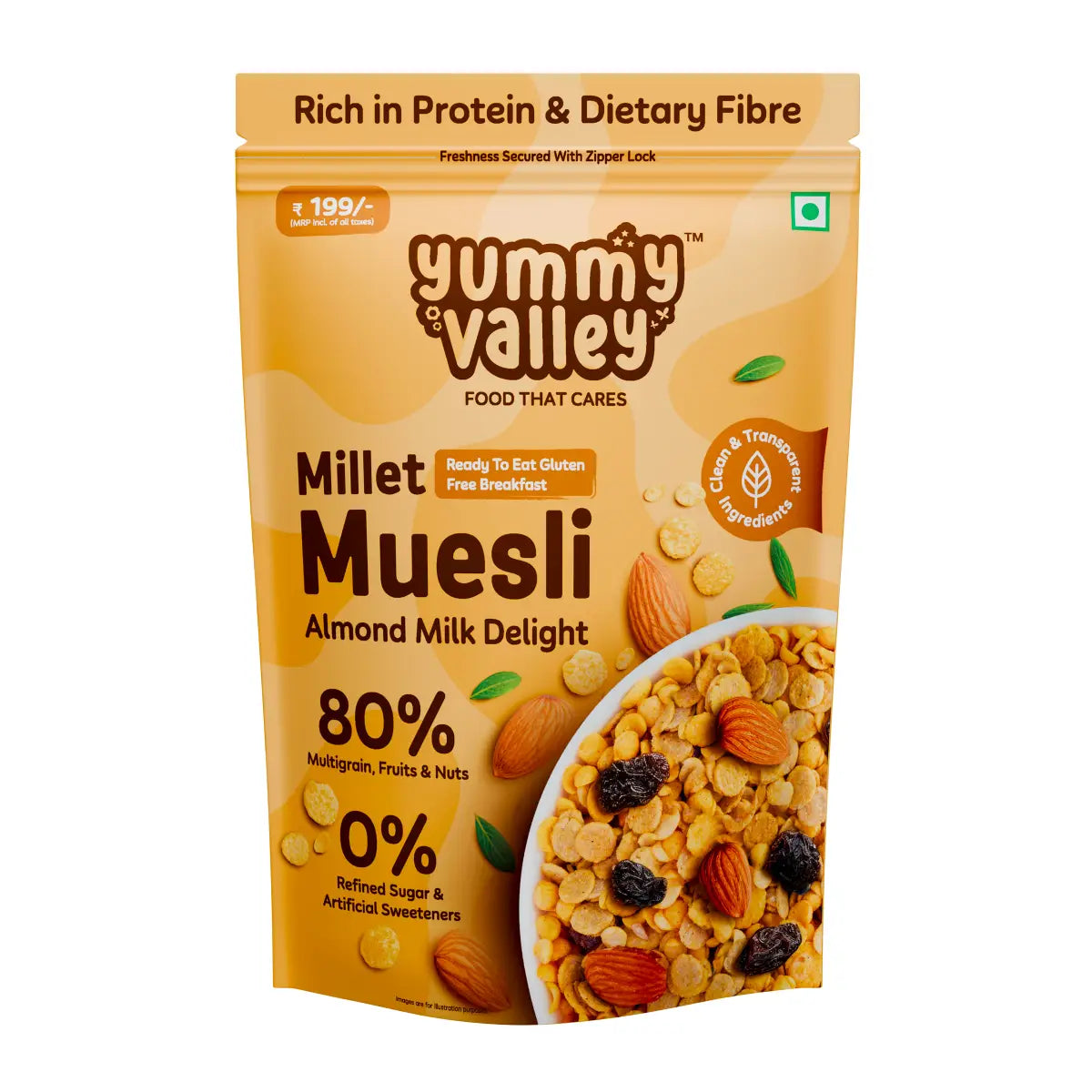
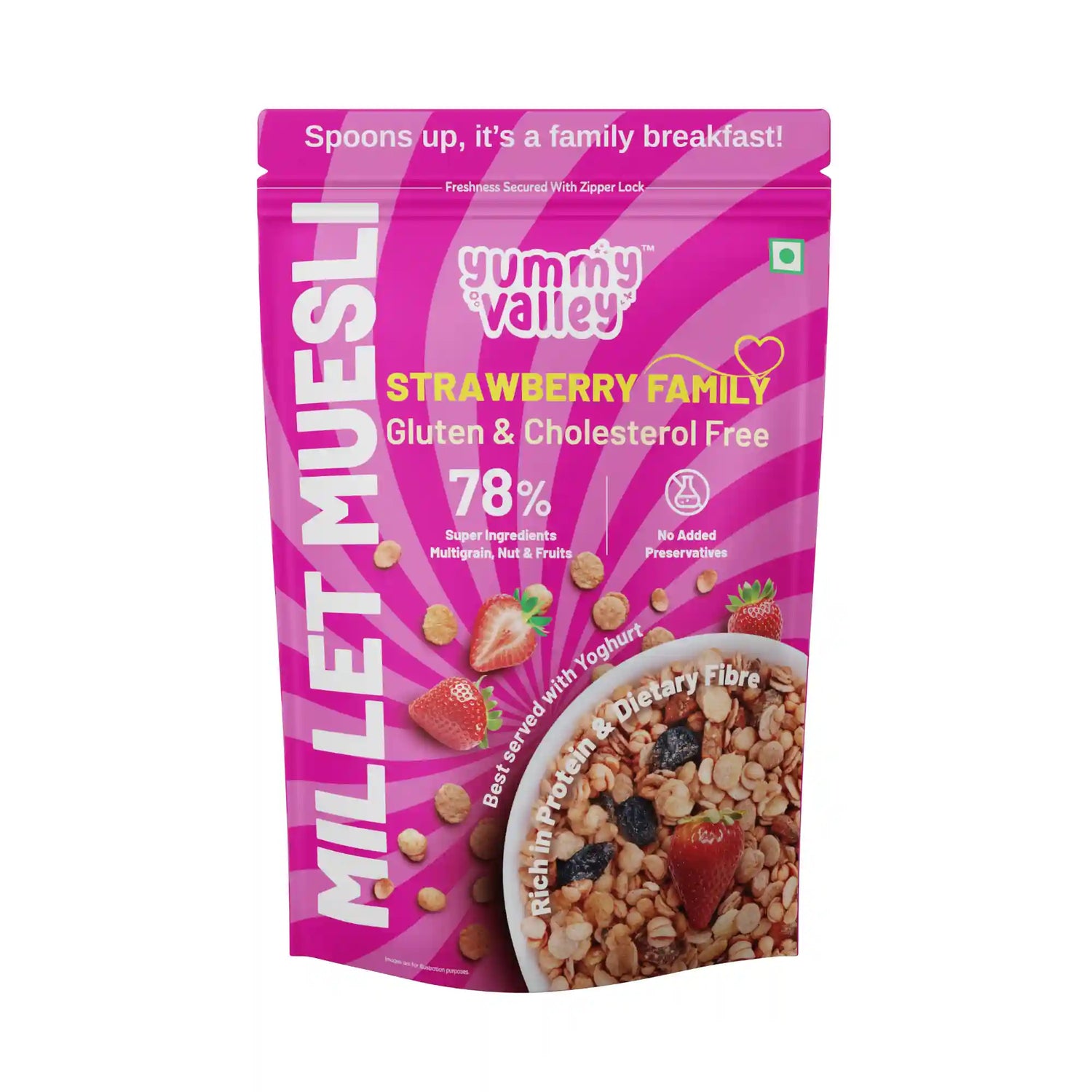
- Breakfast: Ragi malt, millet porridge, millet muesli, or foxtail millet upma
- Lunch: Replace white rice with cooked barnyard or little millet; try millet khichdi or pongal
- Dinner: Jowar or bajra rotis, millet-based soups, or millet pulao
- Snacks: Popped millets chips, millet muesli, or roasted millet mixes
- Fasting days: Rajgira (amaranth) chapatis, kuthiraivali khichdi, or samai sweet pongal
Side Effects of Millets: What to Watch Out For
1. Thyroid interference
Goitrogens in Pearl Millet and Sorghum can slow thyroid hormone production. Always cook thoroughly, and consult a doctor if you have hypothyroidism or goiter.
2. May cause digestive discomfort
Excess fiber from millets can cause bloating, gas, or loose stools, especially if you switch suddenly from a low-fibre diet. Introduce millets gradually and drink plenty of water.
3. Weighty concerns
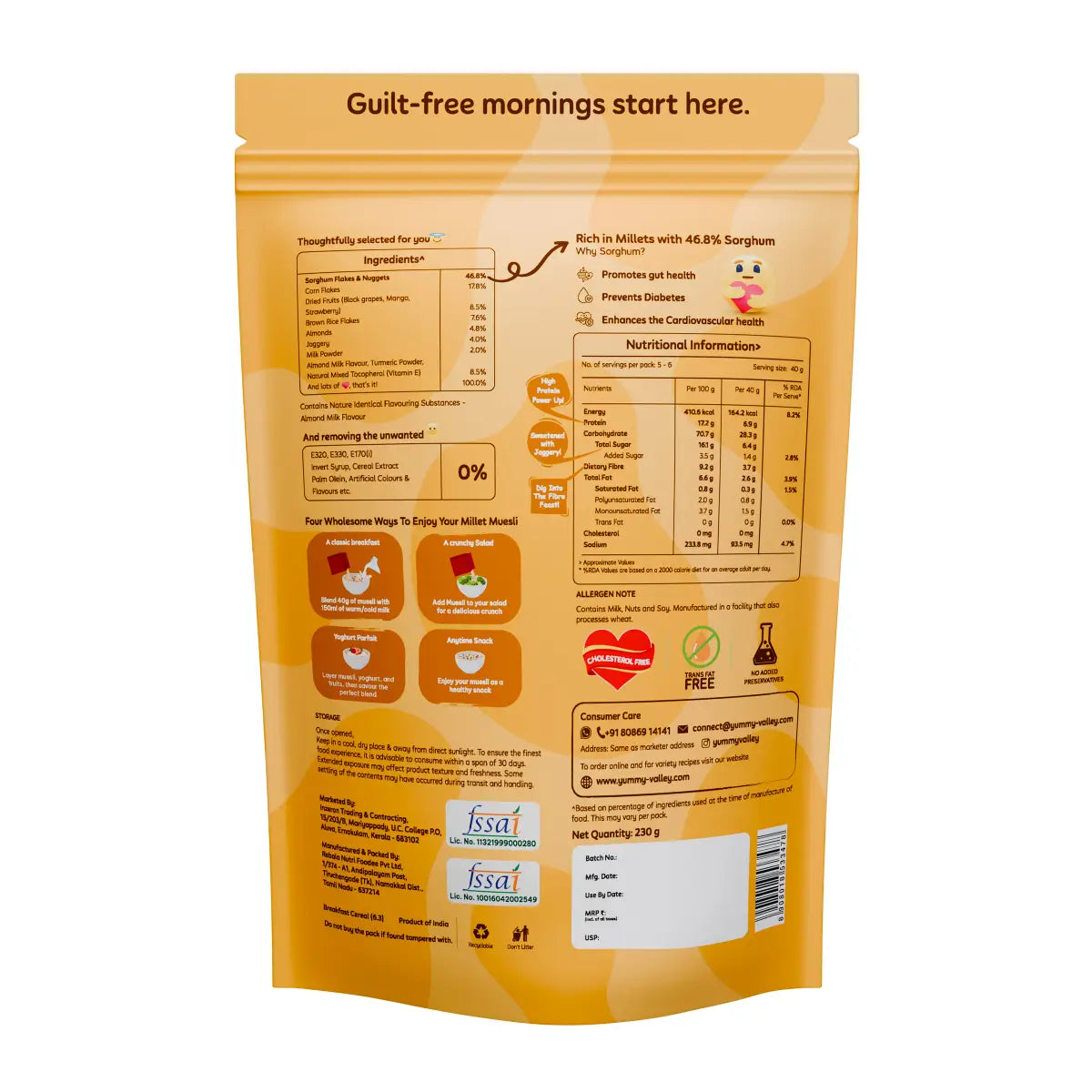
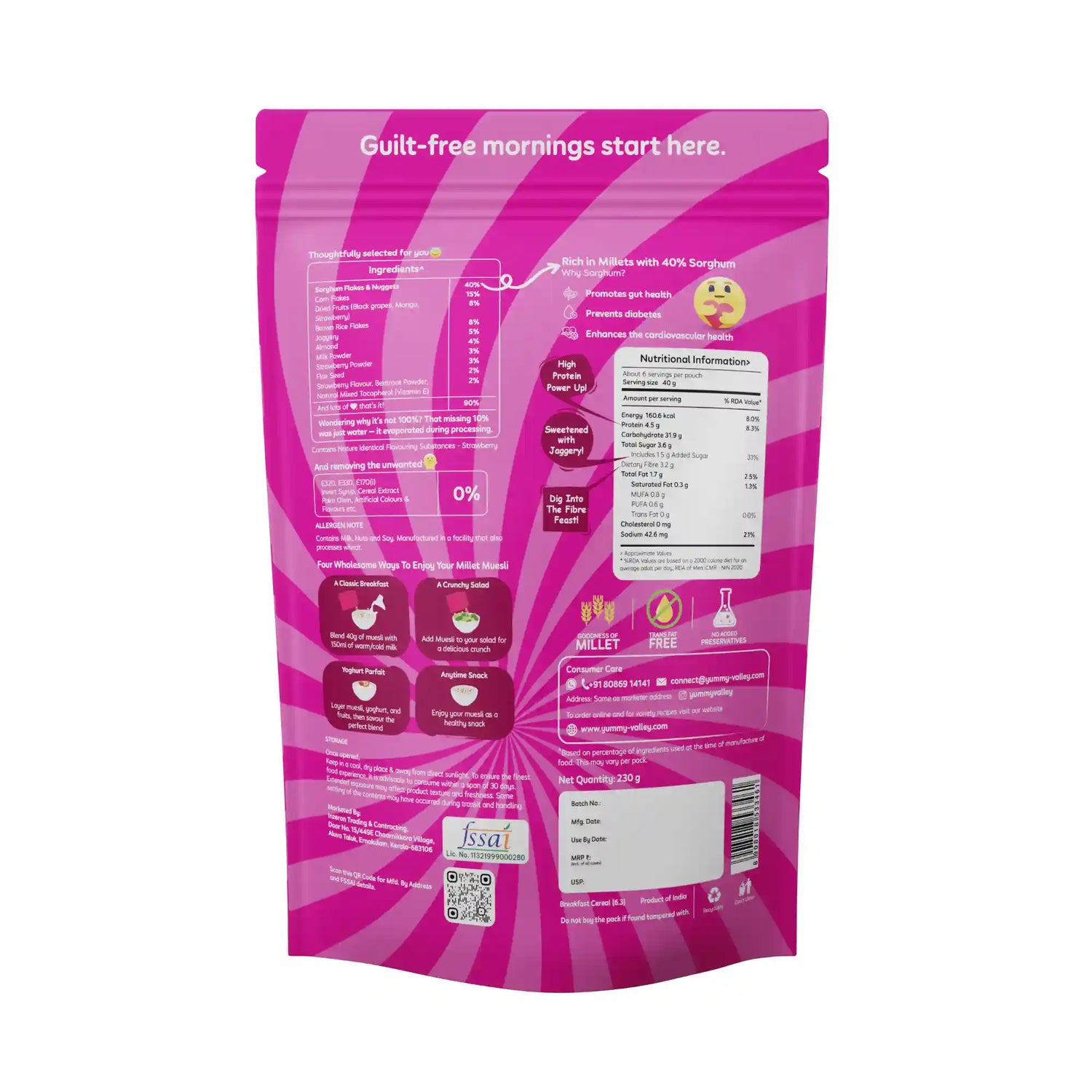
Gluten-free millet-based packaged products can still be high in calories, fat, and sugar. Read labels carefully and opt for whole grain millets over heavily processed millet snacks whenever possible.
4. Allergic Reactions
While rare, some individuals may experience itching, swelling, or hives from millet. If you have a history of food allergies, introduce millets cautiously and monitor your response.
5. Kidney Concerns
Oxalate content in millets can increase kidney stone risk in susceptible individuals. Stay well hydrated and limit portions if you have a history of oxalate stones.
Moderation is the governing principle. Three to four millet-based meals per week, as part of a varied and balanced diet, delivers the full benefits of millets while minimising any risks.
Conclusion
Millets bridge the gap between tradition and health-conscious diets with their ancient appeal. With more people becoming aware of millets' nutritional benefits and versatility, their status in Indian households is slowly returning. The many different names that we use for these foods in various Indian languages are perhaps a reminder of our regional identity and also help to popularise these superfoods. This perhaps can be considered as the fundamental reason why millets will continue to be a relevant food into the future, no matter what name we tag to them.
FAQs on Types of Millets
Which millet is best for managing diabetes?
Barnyard Millet (Kuthiraivali / Sanwa) has the lowest glycemic index at approximately 43, making it the strongest choice for people managing diabetes or pre-diabetes. Kodo Millet (GI ~52) and Foxtail Millet (GI ~54) are also excellent options. All three should be soaked before cooking and consumed as part of a balanced meal rather than in isolation.
Which millet has the highest fibre content?
Browntop Millet leads with approximately 12.5 grams of fiber per 100 grams, followed closely by Finger Millet and Pearl Millet. Kodo and Barnyard Millets are also notably high in fiber at around 9–10 grams per 100 grams.
Which millet is closest to rice in taste and texture?
Foxtail Millet is the closest substitute for white rice in both texture and mild flavour. Little Millet and Barnyard Millet are also widely used as rice replacements and work well in all rice-based recipes, including biryani, pongal, and pulao.
Are all millets gluten-free?
Yes. Every millet variety, including Jowar, Bajra, Ragi, Foxtail, Barnyard, Little, Kodo, Proso, and Browntop, is completely and naturally gluten-free. Pseudo-millets like Amaranth and Buckwheat are also gluten-free. All varieties are safe for people with celiac disease and non-celiac gluten sensitivity.
What is the difference between major and minor millets?
Major millets (Jowar, Bajra, Ragi) are commercially cultivated on a large scale and widely available in all markets. Minor millets (Foxtail, Barnyard, Little, Kodo, Proso, Browntop) are grown in smaller quantities but typically carry higher nutritional density and lower glycemic indexes. Minor millets are increasingly preferred by health-conscious consumers managing lifestyle diseases.
What are Siridhanya millets?
Siridhanya is a Kannada term meaning "positive grains," popularised by Dr. Khadar Vali. It refers to five minor millets: Foxtail (Navane), Browntop (Korale), Little (Saame), Kodo (Harka), and Barnyard (Oodalu). These five are specifically recommended for their therapeutic role in managing diabetes, obesity, and chronic inflammation. In Tamil, the equivalent term is Siruthaniyam.
Can children eat millets?
Yes. Finger Millet (Ragi) is the most recommended millet for children, owing to its exceptional calcium content (344 mg/100g) that supports bone growth and cognitive development. Ragi porridge is a traditional weaning food in South India. Little Millet and Foxtail Millet are also suitable for children from around 8 months of age, introduced as soft porridges.
Do millets need to be soaked before cooking?
Soaking is strongly recommended. Millets contain phytic acid, a naturally occurring compound that reduces the absorption of minerals like calcium, iron, and zinc. Soaking millets in water for 6–8 hours before cooking breaks down phytic acid, softens the grain, reduces cooking time by around 30%, and significantly improves nutrient bioavailability. Fermenting millets, as in idli or dosa batter, delivers even greater anti-nutrient reduction.